Cookie Policy
We use cookies so that you may have a better online experience with us.
To view our cookie policy click here.
Please note that by viewing our website, you accept our use of cookies.


You would not think we have this problem in sunny South Africa, but winter increases vitamin D deficiency risk by nearly 5 times, even for us South Africans. Cancer patients can maintain healthy levels through strategic sun exposure, targeted nutrition, and appropriate supplementation without compromising treatment safety.
Research at Tygerberg Academic Hospital found 49.5% of cancer patients were deficient in Vitamin D, with another 41.3% having insufficient levels. Urban living, treatment fatigue, medication interactions, and strict sun protection advice create a perfect storm of deficiency risk.

Firstly
The morning is your golden window. Start with 5-10 minutes of direct arm and leg exposure between 8AM and 10AM. Apply 15+ SPF sunscreen for any exposure beyond your initial 5-10 minutes. Johannesburg’s winter sun is less intense but effective during morning hours, while coastal areas offer more flexibility, but morning exposure remains safest.
Secondly
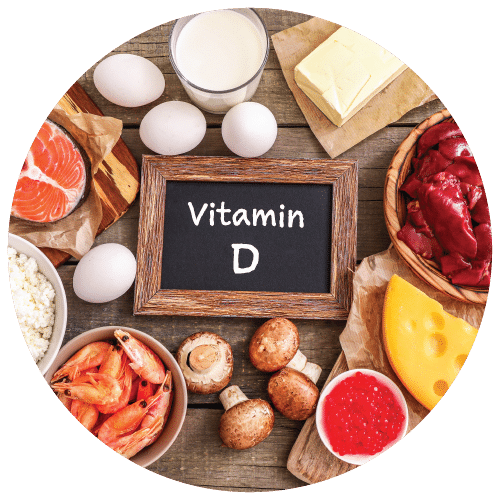
Some budget-friendly vitamin D sources include tinned pilchards or sardines, free-range eggs, fortified milk and cereals, and UV-exposed mushrooms that are available at health shops and select Woolworths stores.

Lastly
It’s worth chatting to your oncology team about checking your vitamin D levels with a simple blood test called a 25(OH)D test. Vitamin D plays an important role in overall health, and low levels are fairly common in people undergoing cancer treatment.
In general, levels below 50 nmol/L (20 ng/mL) are considered low, while many experts view 75–100 nmol/L (30–40 ng/mL) as a healthy range. Some cancer patients may need higher daily vitamin D intake than the standard recommendation, but the right amount can vary depending on individual treatment plans and medications.
The good news is that prescribed vitamin D supplements are often covered by medical aids under chronic medication benefits. Always speak to your healthcare team before starting any supplement to make sure it’s appropriate for you.
Start small with 5-10 minutes of morning sun when you feel well. Add one vitamin D-rich food to your weekly shopping. Schedule vitamin D testing at your next oncology appointment. Consistent small steps through winter can maintain optimal levels and support your immune system, bone health, and overall treatment experience.
This blog post is for informational purposes only and should not be considered medical/financial advice. Please consult with a healthcare/financial professional for personalised guidance.
Cookie Policy
We use cookies so that you may have a better online experience with us.
To view our cookie policy click here.
Please note that by viewing our website, you accept our use of cookies.